For continuous movement
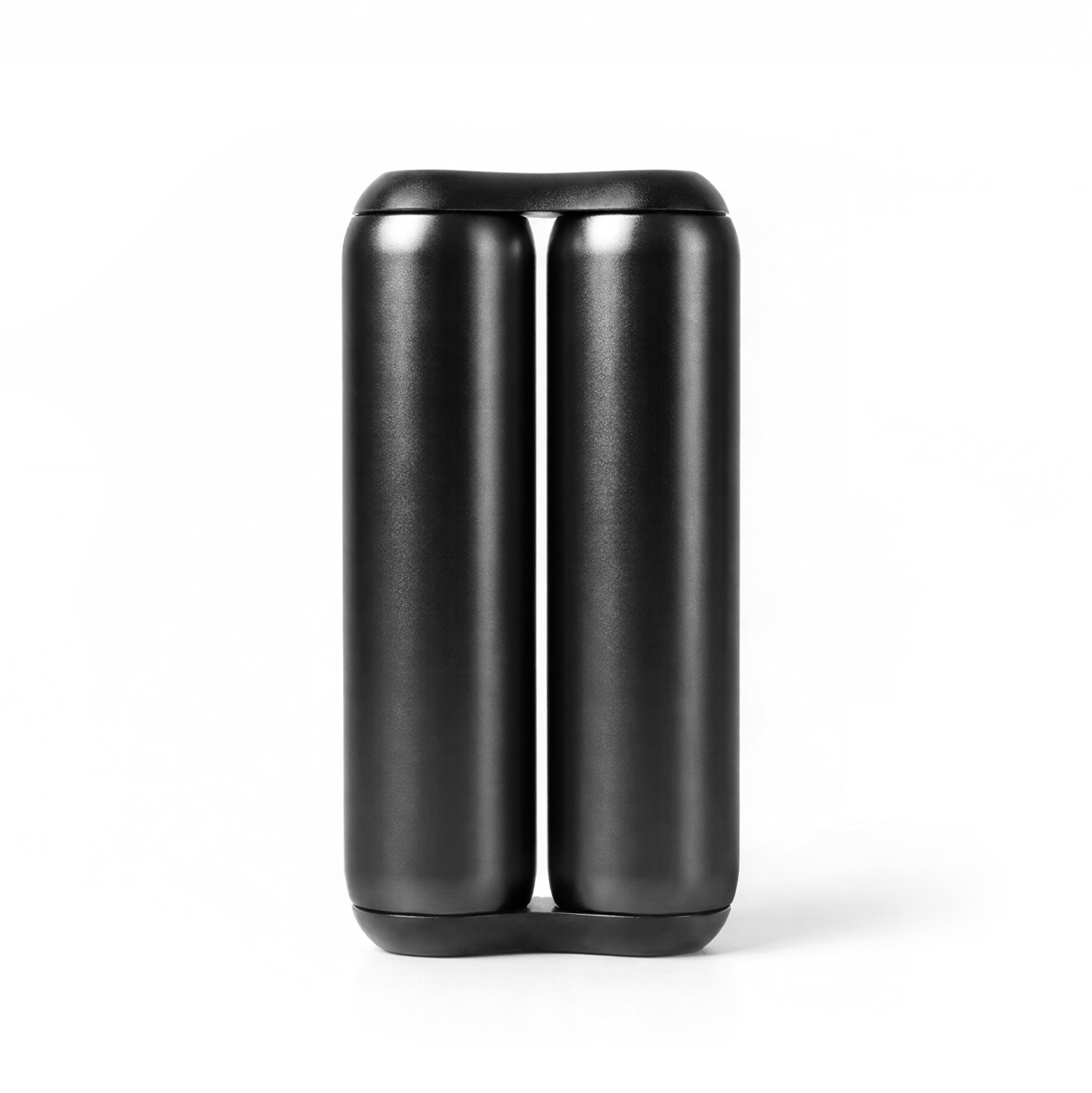
ONO Roller ↓Two connected rollers move in the palm. ONO describes this model’s rolling action as silent; compare its weight and size before choosing.
 best fidget toys
Find your kind of fidget
If you are searching for stimming toys or autism fidgets, start with the sensation you enjoy: a slow squeeze, a repeating roll, a texture to brush or a sound to repeat. These 16 options cover different preferences. A diagnosis does not tell us which toy someone will like, and a toy is not required for stimming.
What to compare before buying ↓Two connected rollers move in the palm. ONO describes this model’s rolling action as silent; compare its weight and size before choosing.
A fuzzy covering adds texture to a twisting loop. The joints can still make soft mechanical sounds.
A slow-squish cube for people who enjoy pressure through their hands. Check the exact product’s materials and care instructions.
Extending and compressing the tube creates pops. An option for someone who wants auditory feedback, rather than a quiet-room pick.
Your own little shortlist. Saved in this browser for your next visit.
Found something you like? Tap a heart to keep it here.
Explore all 100 toysSelected from our 100-product collection. Explore the details, then shop on Amazon.
Budget ranges are independent retail estimates, not live Amazon prices. We have not personally tested every product. How we choose
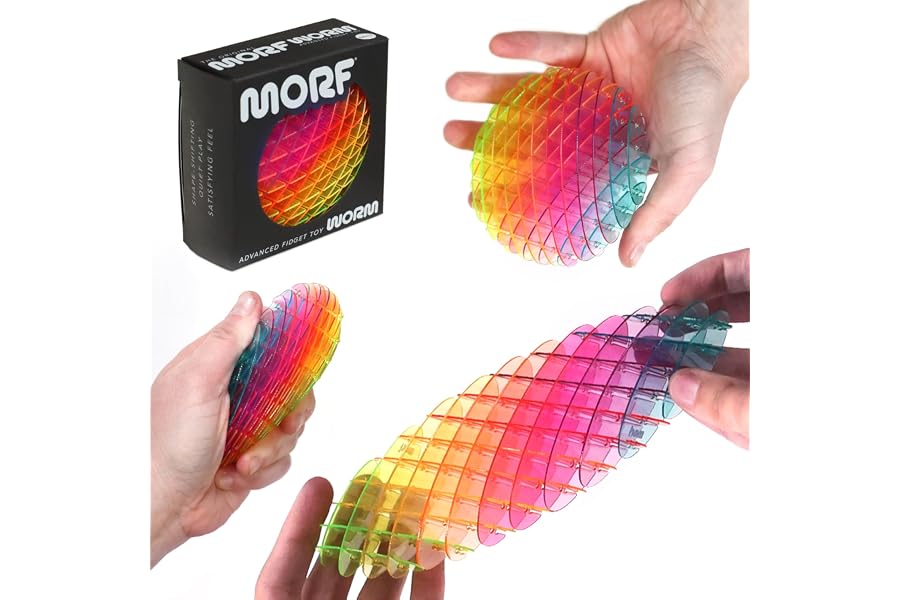
Morf
Morf Worm · rainbow · small
A rainbow lattice fidget that expands, compresses and bends into different shapes between your hands.
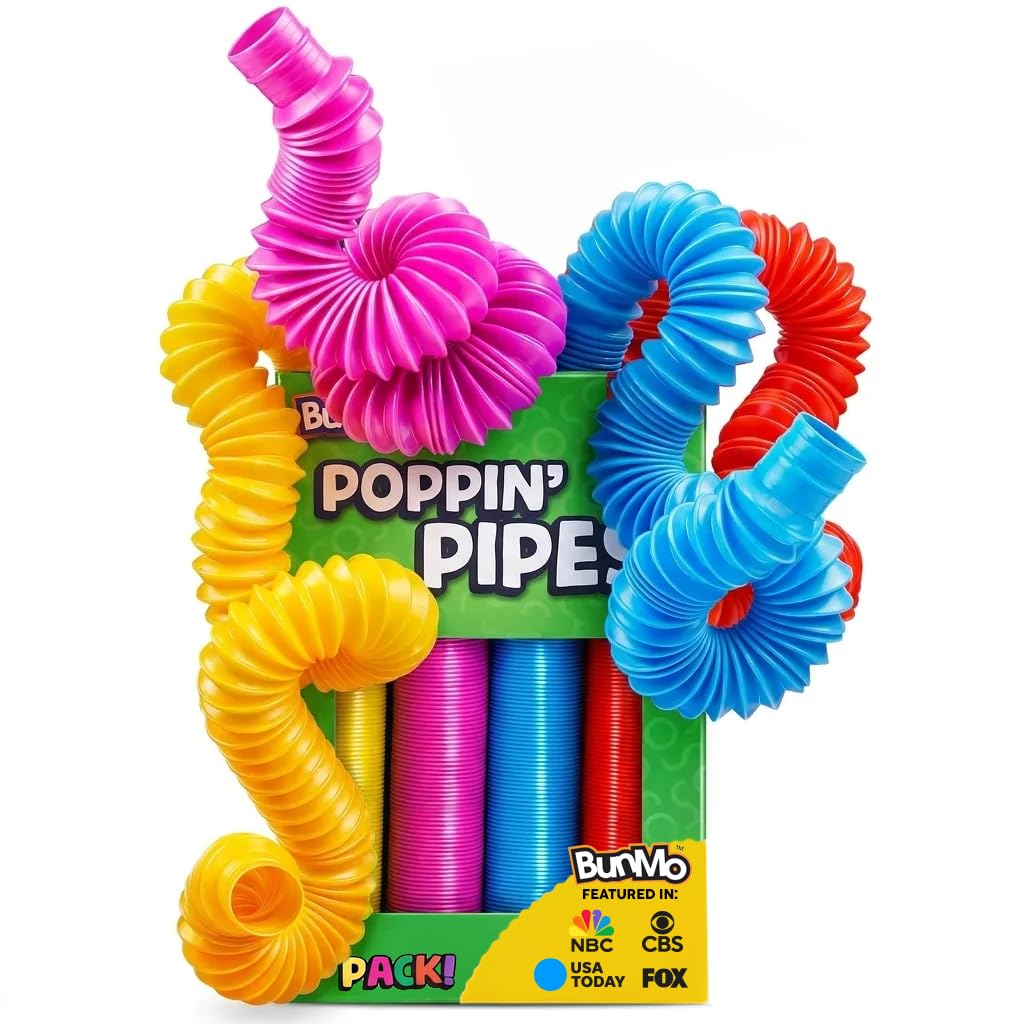
BUNMO
BUNMO · 4 large pop tubes
Four large corrugated tubes extend, bend and connect with a popping sound.
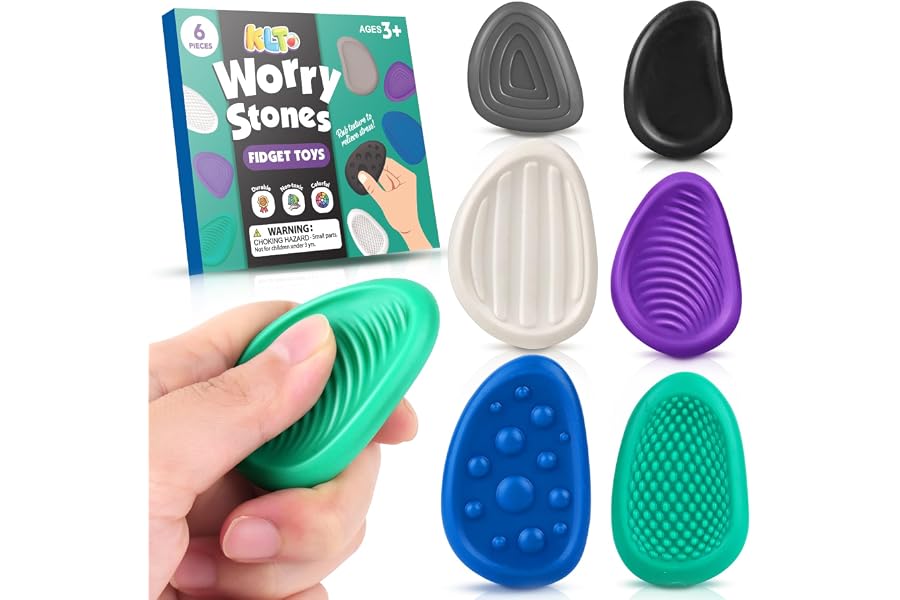
Sensory stone set
6 textured sensory stones
Six palm-sized tactile pieces offer different raised patterns to rub, trace and explore with your fingertips.
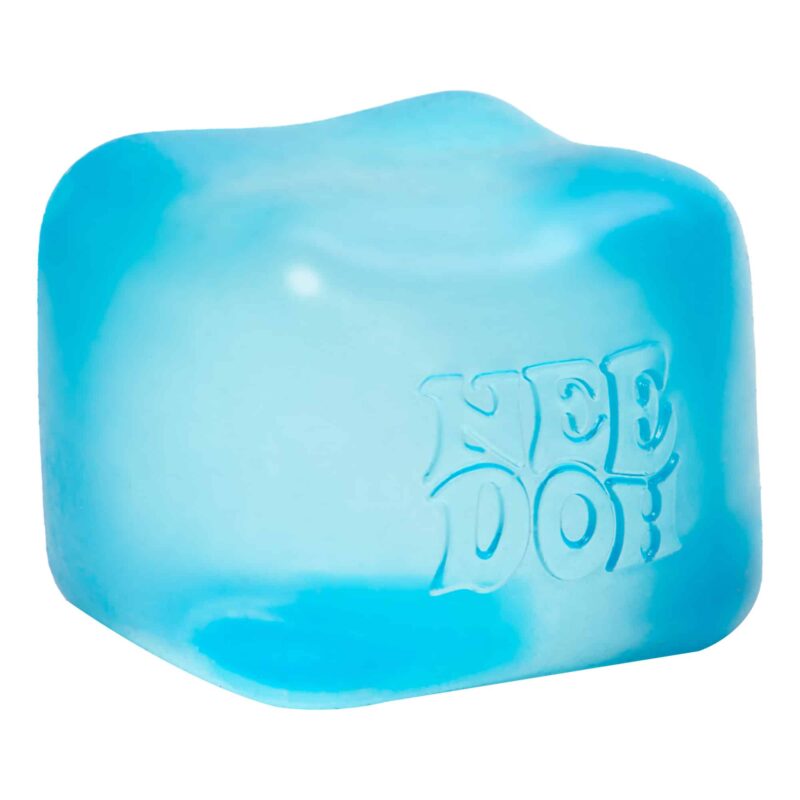
Schylling
1 cube · blue shown; color varies
A dense, palm-sized squish cube that returns to its square shape.
ONO · aluminum
Full-size aluminum · black
Two connected aluminum rollers for continuous movement.
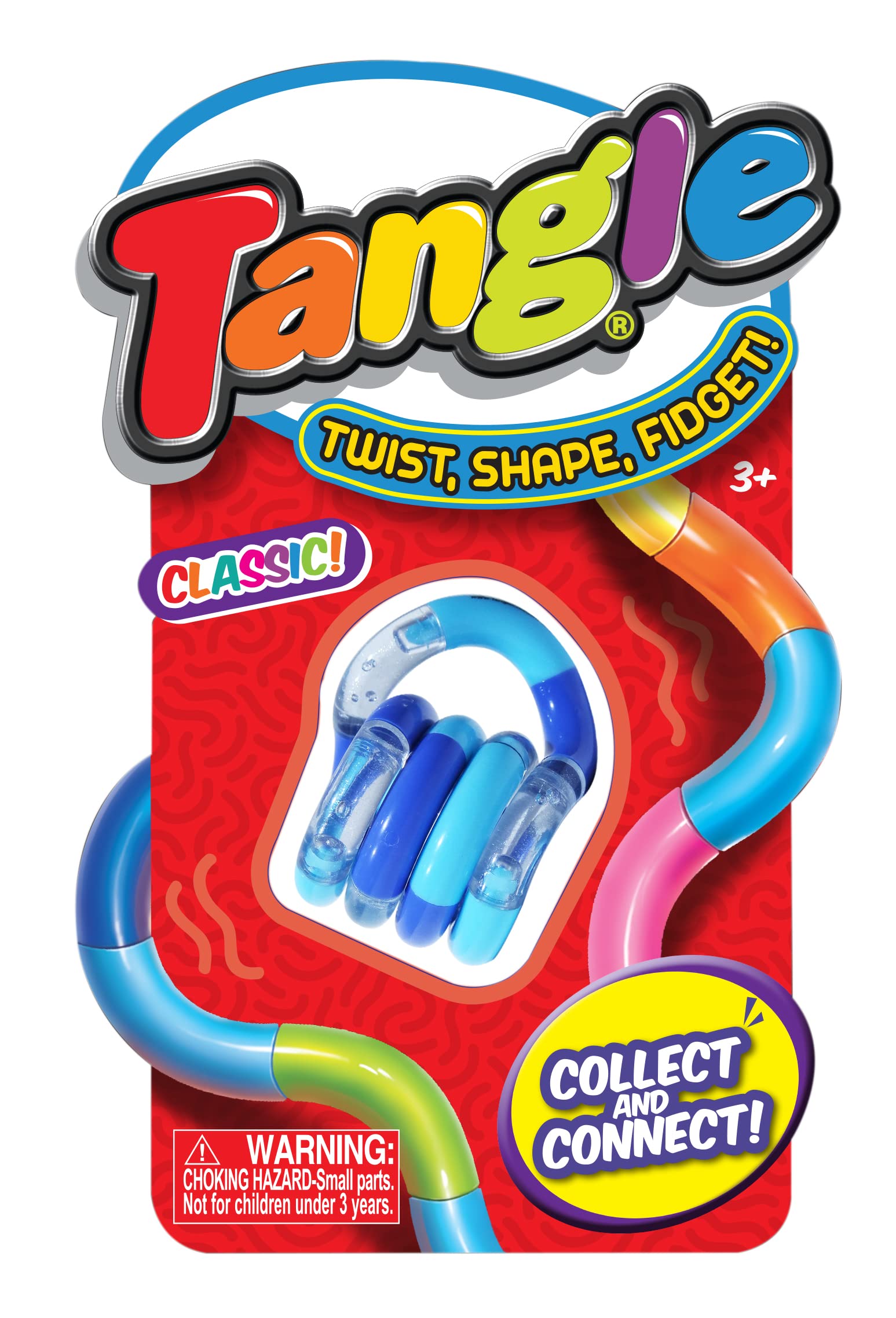
Tangle
Tangle Jr. Classic · assorted color
A linked loop of smooth curved pieces that keeps changing shape.
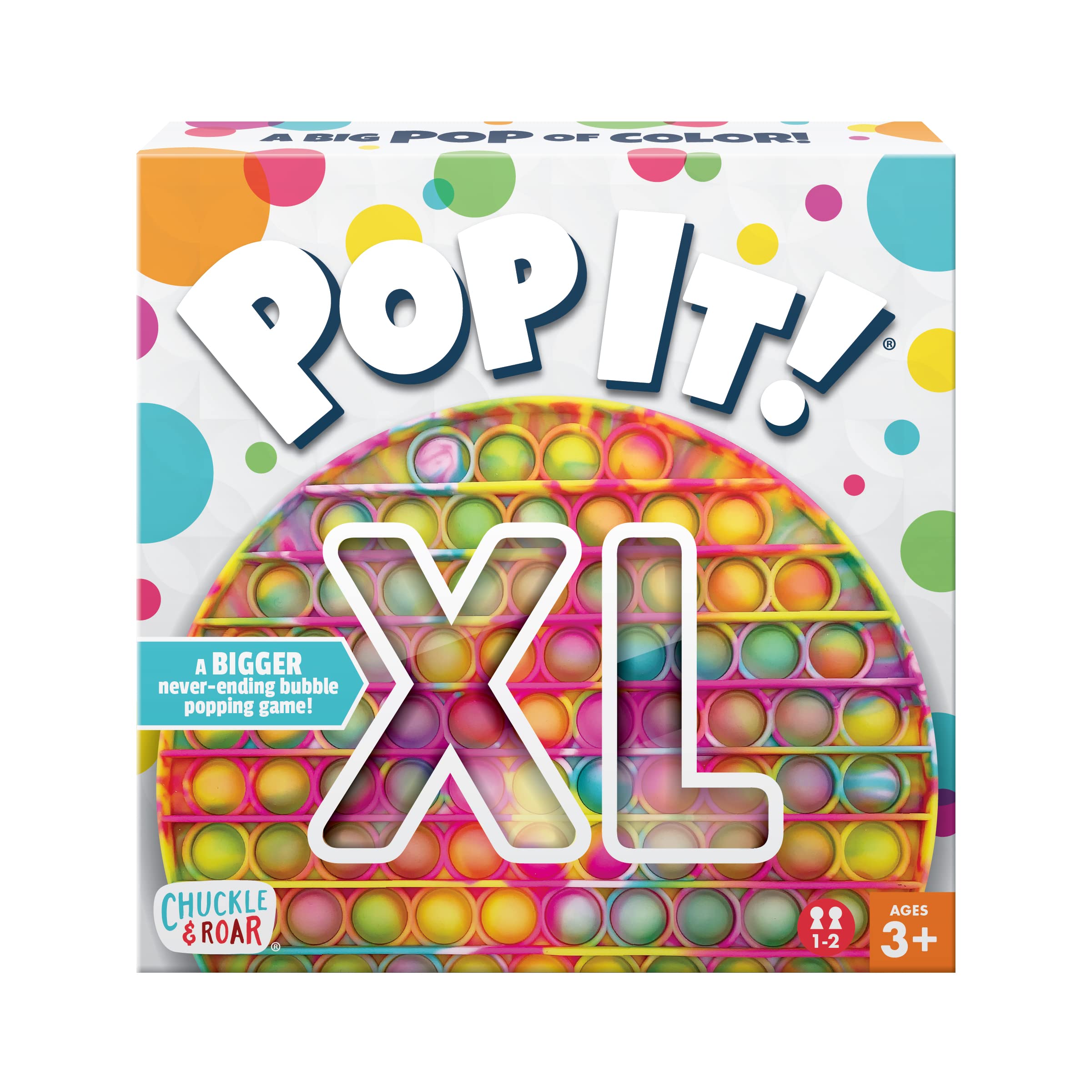
Chuckle & Roar
Chuckle & Roar · XL Rainbow
A large rainbow silicone board with rows of bubbles to press and pop.
Product type
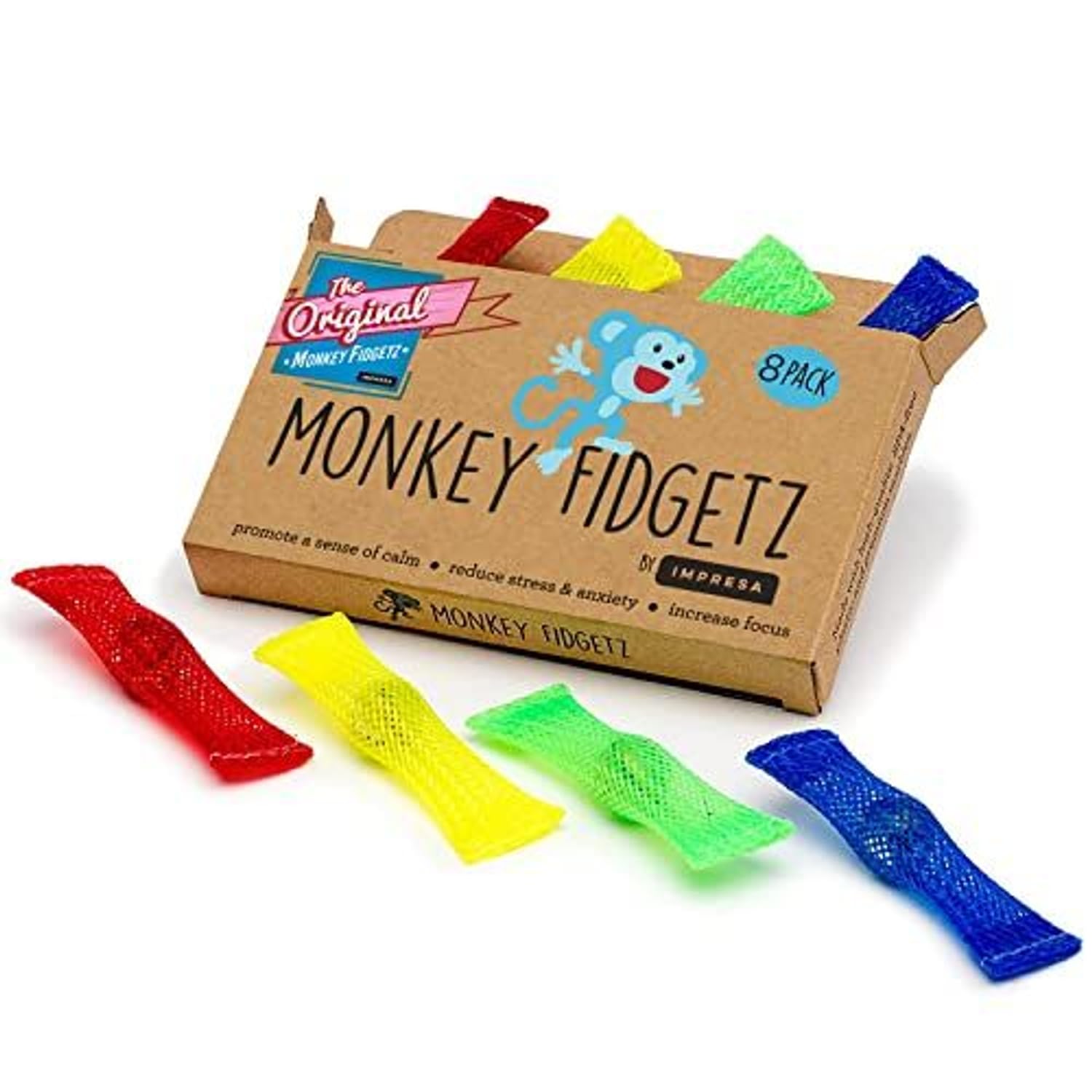
IMPRESA · 8-piece set
Push a marble back and forth inside a flexible woven sleeve.
Product type
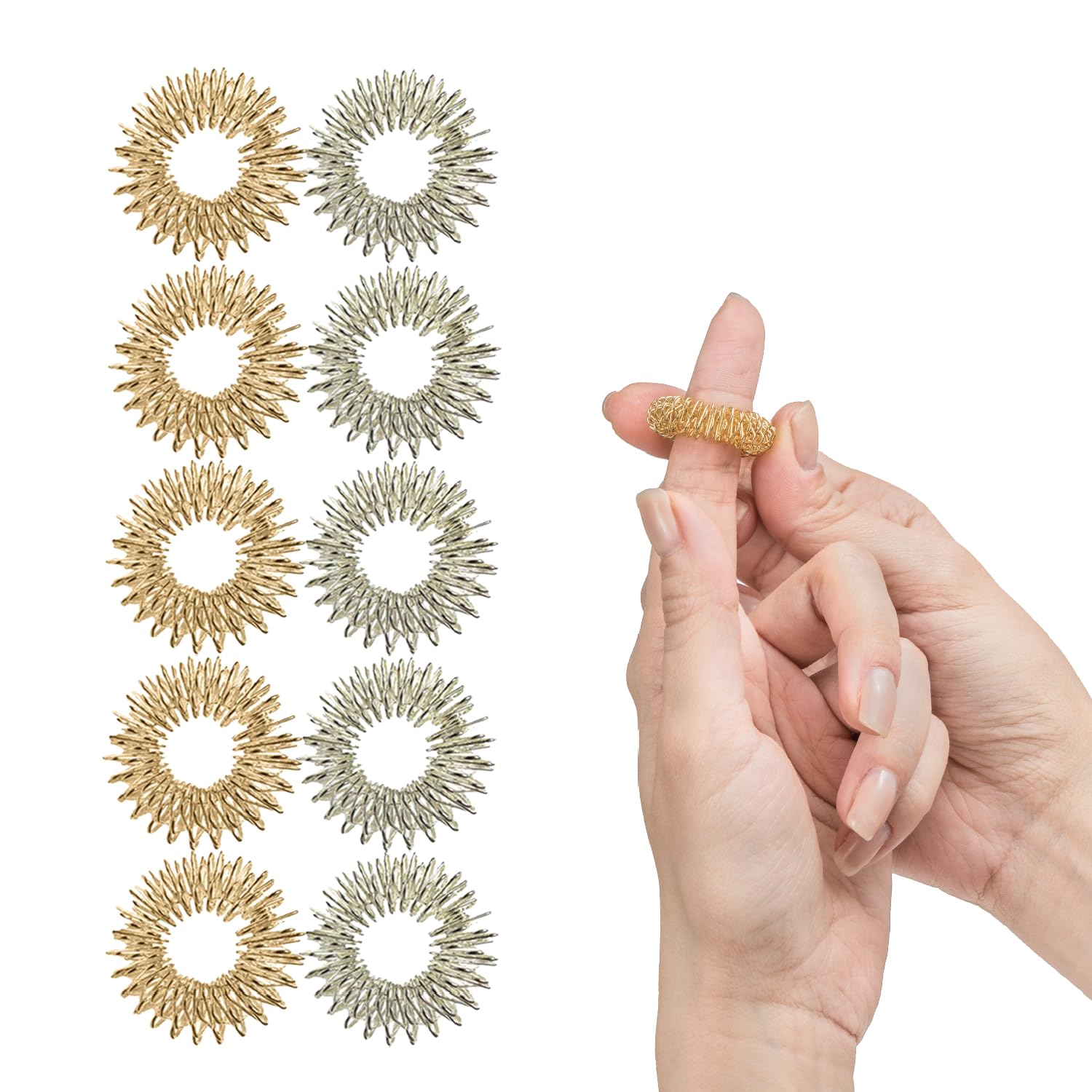
IMPRESA · 10 rings · silver & gold
Flexible metal rings with a textured surface to roll along a finger.
Toysmith
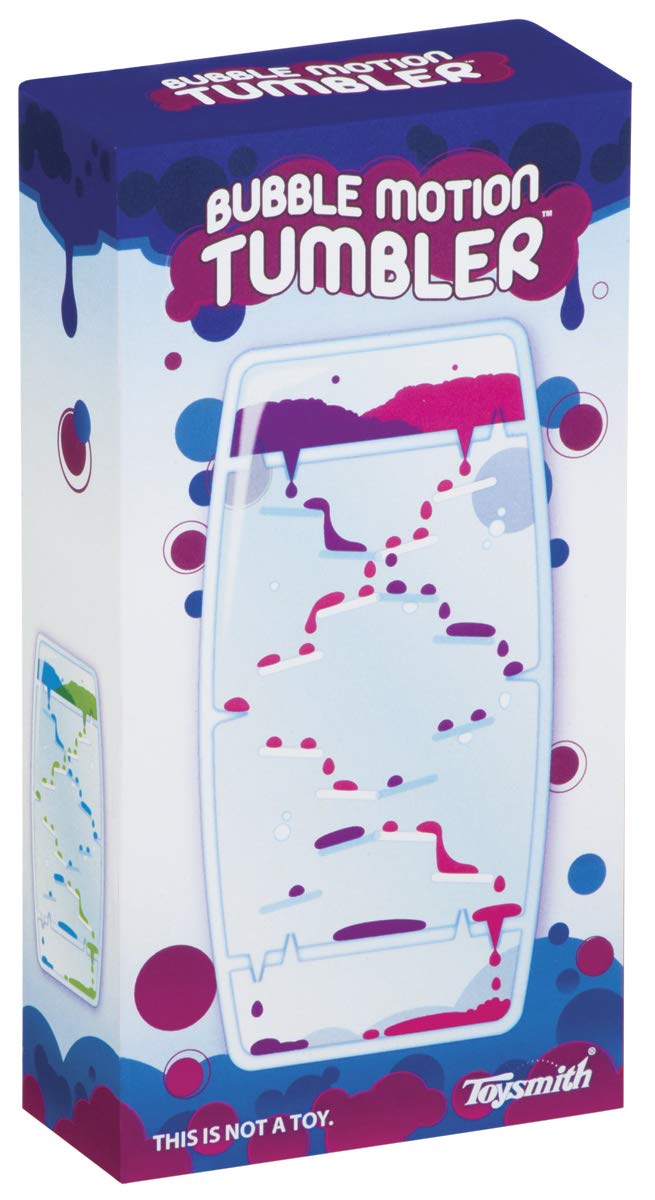
Bubble Motion Tumbler · color varies
Turn the tube over and watch two colored liquids drift downward.
Crayola
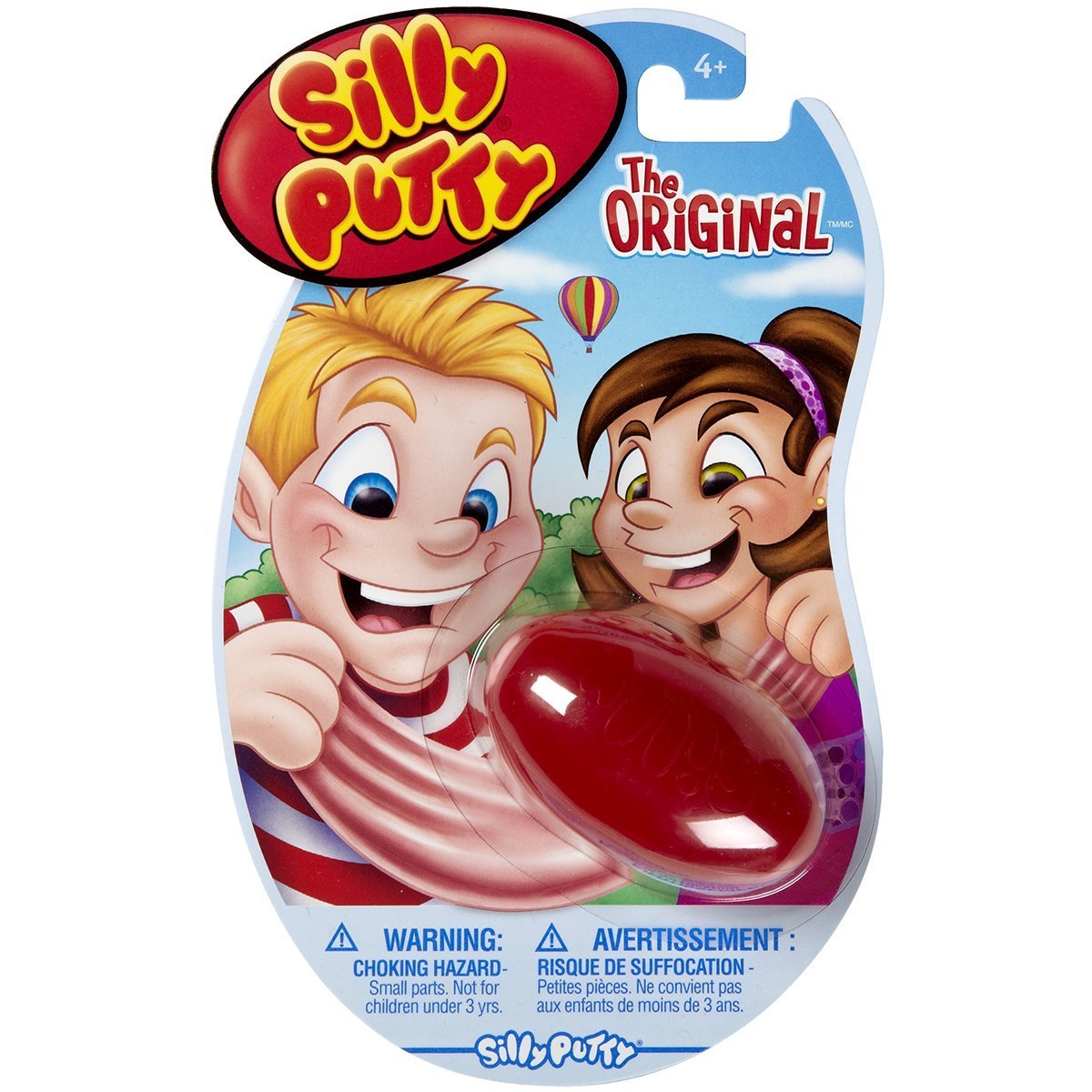
Original Silly Putty · red egg
Classic stretchable, moldable putty stored in a small plastic egg.
BUNMO
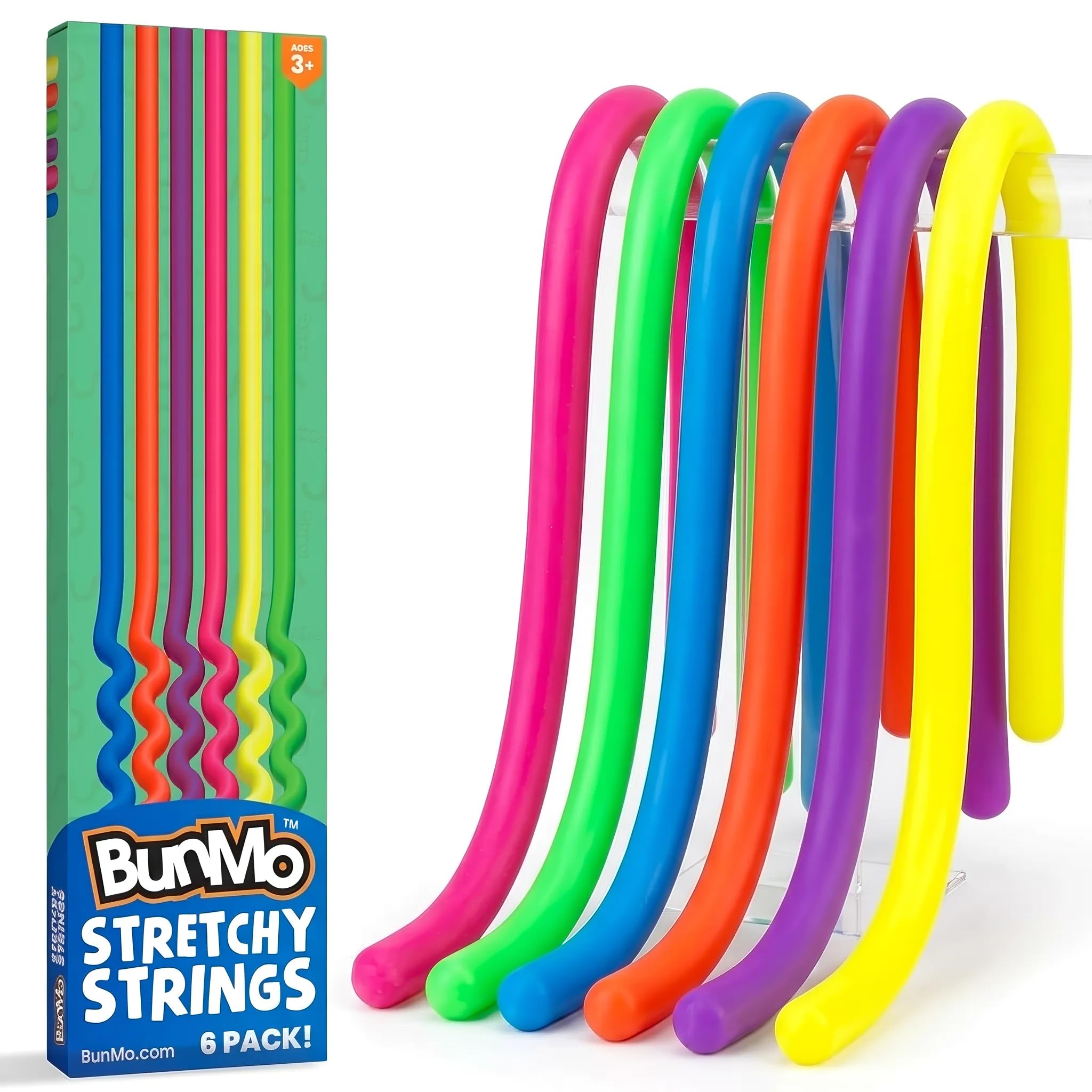
BUNMO · 6 smooth stretchy strings
Six smooth, flexible strings for stretching, bending, twisting and knotting.
Product type
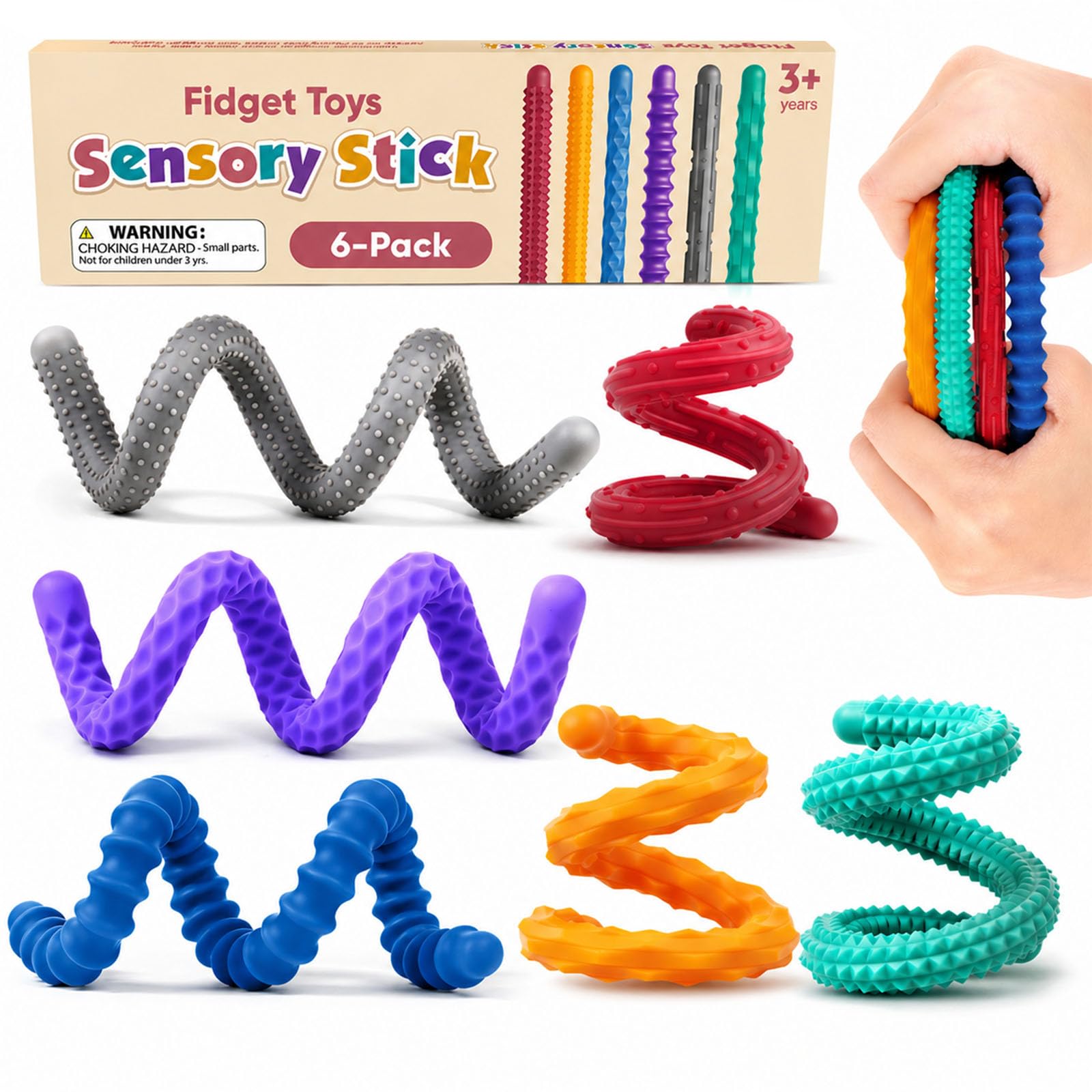
Textured silicone sticks · 6-pack
Six flexible silicone sticks with different textures to rub, bend and squeeze.
Koosh
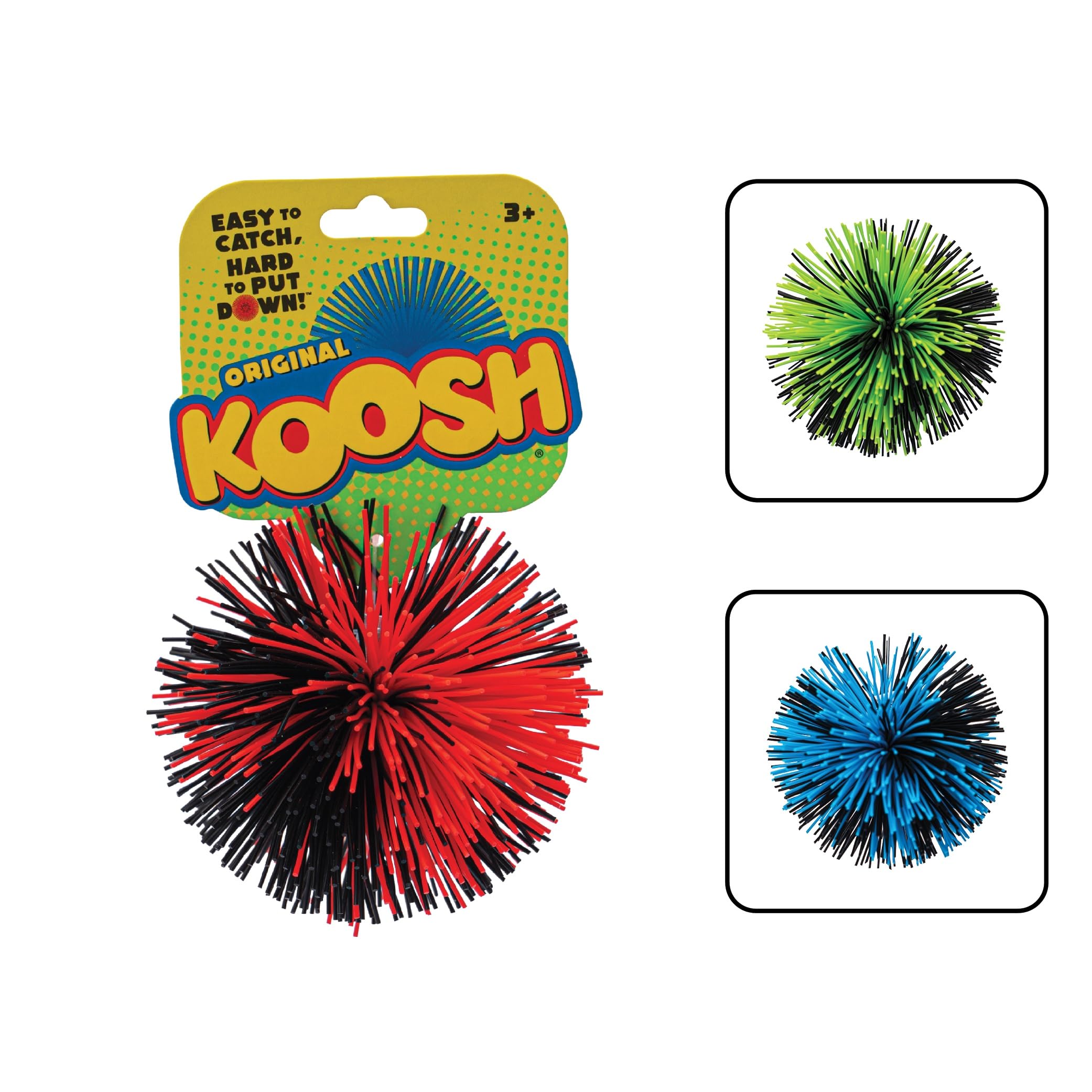
Original Koosh · 3 inches
A three-inch ball made from many soft rubber strands.
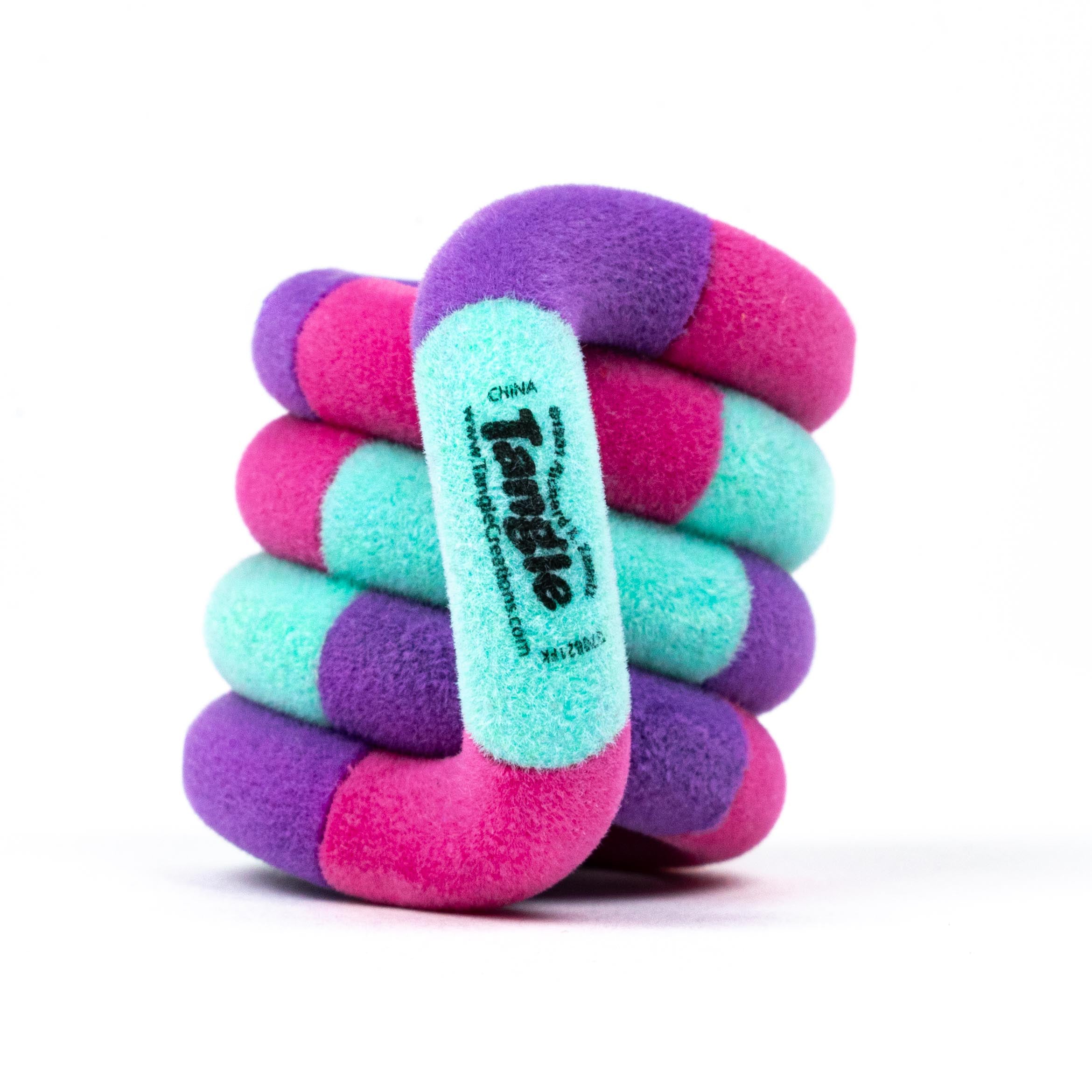
Tangle
Tangle Jr. Fuzzies · purple, pink & blue
A small linked Tangle covered with a soft, fuzzy surface.
CHENGU
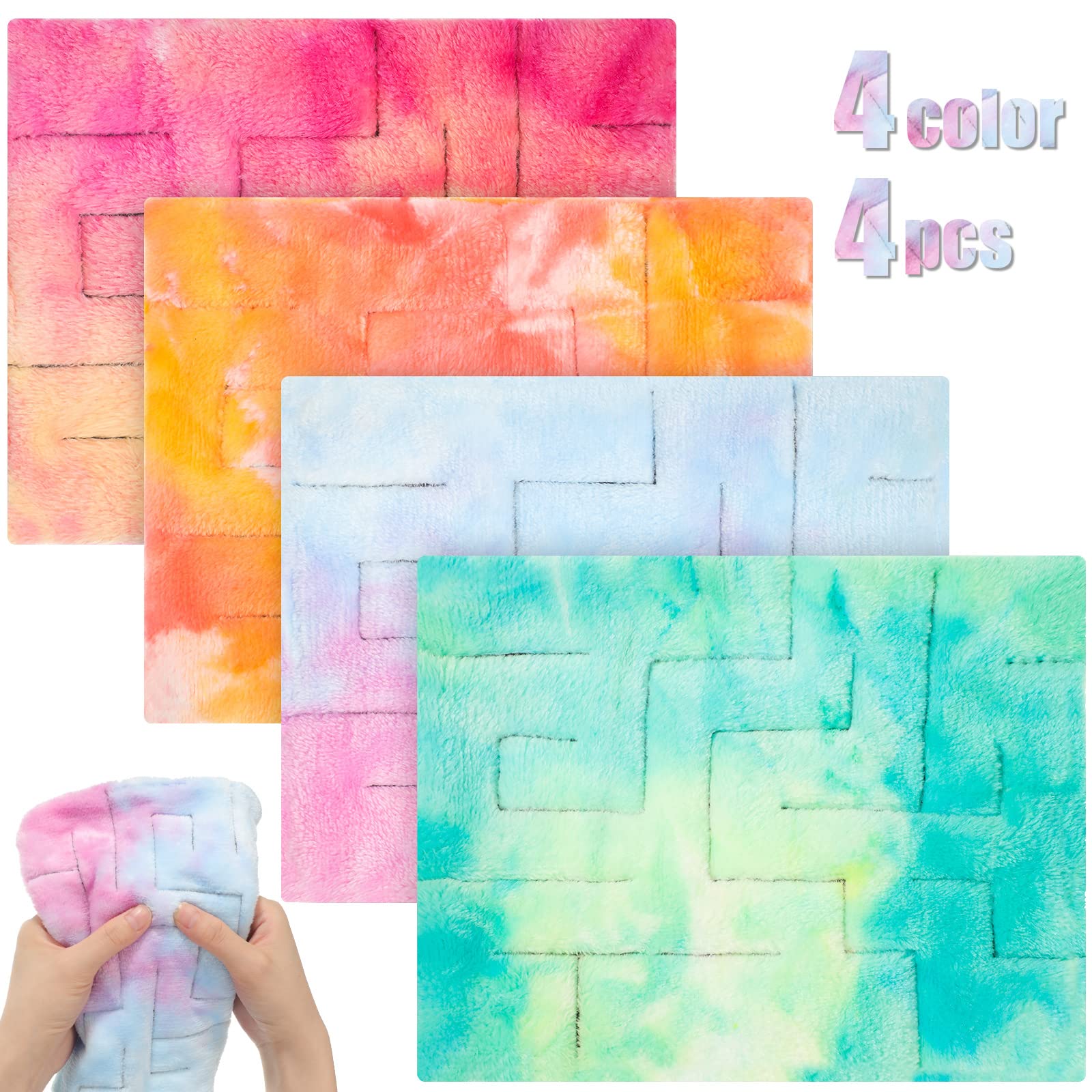
CHENGU · 4 fabric marble mazes
Four fabric pads hold enclosed marbles that move along stitched maze paths.
Check the exact product's age label, materials, and warnings. Amazon search results may include other products or variants. Our collection numbers reflect the order in the full editorial list; they are not ratings or verified sales positions.
Before you choose
There is no universal best. Compare the movement and texture you enjoy, then consider sound, grip, portability and the situation where you will use it. A roller, tactile stone, twisting loop or squeeze toy offers a different experience; the useful choice is personal.
No. Autistic and non-autistic people can stim, and anyone may enjoy repeated tactile movement. Using a fidget toy neither establishes nor rules out a diagnosis.
Some gentle squeezing, rubbing and enclosed-marble movements are expected to be quiet. Other stim toys intentionally pop, click or crunch. Choose the Quiet / near-silent filter for low-noise options and read the individual sound notes.
Not simply to make harmless stimming less noticeable. A toy should be an optional choice, not a requirement to hide a natural movement. If there is pain, injury or distress, seek support that considers the person and the situation.
The terms overlap. “Sensory” describes the experience, such as texture or visual movement. “Fidget” usually describes a repeated hand action. “Stimming toy” describes how a person uses an object. Shop by the actual features rather than treating those names as separate quality standards.
Reviewed November 3, 2026. Open a product’s details to see its reference.
Keep exploring
Compare the full collection, or read our guides to ADHD, autism, and everyday life.